
Is 100 Amps Enough for a Modern Home?
While 100-amp service may still be sufficient for some households, it will increasingly fall short of the electrical demands of most modern homes. This is because modern electrical demands are higher than ever, placing greater demands on residential electrical systems.
For many homeowners, 200-amp service offers more practical capacity for current needs and future electrification, while homes with several major electrical loads, multiple suites, or extensive electrical systems may need to consider 400 amps.
Why 100-Amp Service Is Becoming Less Adequate
Many homes in Vancouver and the surrounding Metro Vancouver area were built when 100-amp service could accommodate typical household electricity use. Since then, the number of electrical devices and the power demands of many household systems have only increased. EV charging, heat pumps, electric water heaters, induction ranges, and other modern equipment can put considerable additional demand on an existing service.
TCA Electric helps homeowners assess their electrical systems and plan for changing power demands. Understanding the differences between 100-, 200-, and 400-amp service can help you determine whether your current capacity is likely to remain sufficient, whether load management could accommodate new equipment, or whether a service upgrade deserves consideration.

When Is 100-Amp Service Still Enough?
An electrical service of 100 amps may work for homes with relatively modest electrical demands. For example, homes that use gas for heating, cooking, and hot water may have more available electrical capacity than a comparable home that relies on electric systems for those functions.
Retaining 100-amp service may be reasonable when:
- The existing electrical service is adequate and equipment (such as the electrical panel) is in good condition.
- The home has relatively few high-demand electrical appliances.
- The homeowner has limited plans for additional electrical equipment.
- A load calculation confirms that the existing service can accommodate current and anticipated demand.
For homeowners who expect to add an EV charger, heat pump, hot tub, or other major load, assessing electrical capacity early can help identify whether the existing service will accommodate the equipment. Depending on the circumstances, load management may also provide a way to add certain loads without increasing service capacity.
When Should You Consider 200-Amp Service?
For many modern homes, 200-amp service provides a more practical amount of electrical capacity. It can better accommodate the combination of household appliances, heating and cooling equipment, EV charging, and future electrical improvements.
A 200-amp service upgrade may be worth considering when a load calculation identifies insufficient capacity for planned equipment or when several substantial electrical additions are expected.
Installing an EV Charger
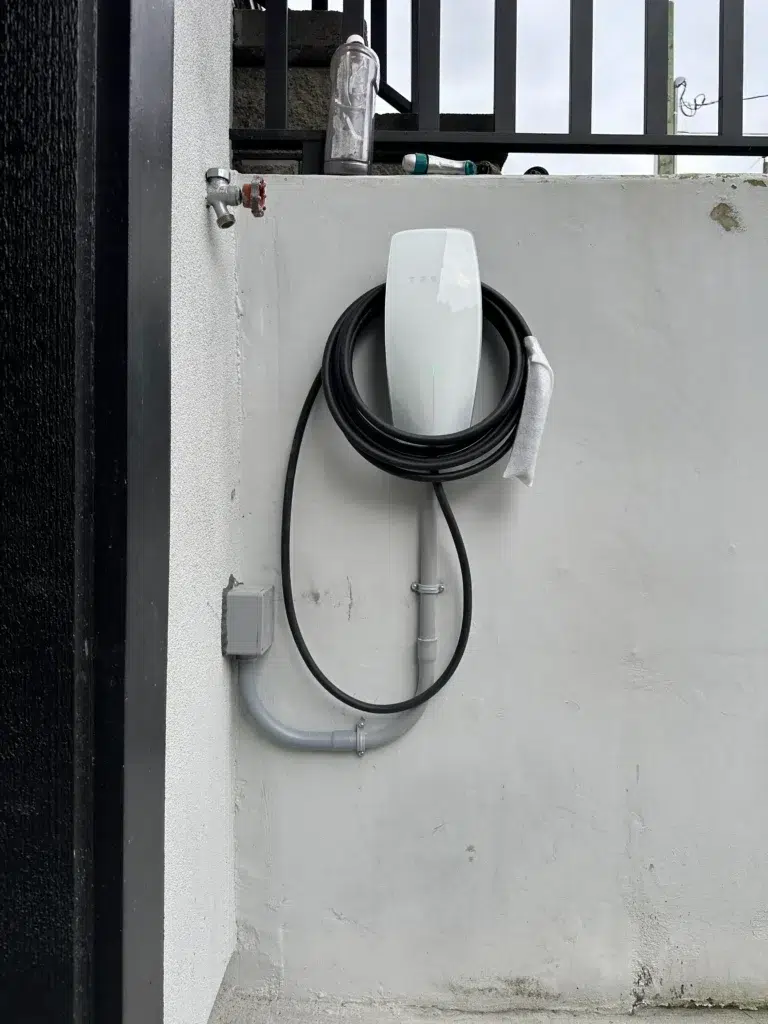
Level 2 EV chargers can draw substantial power while charging a vehicle for several hours. Whether a home can support a charger on 100-amp service depends on the charger’s electrical requirements and the demand from other equipment in the home.
Some installations can work with existing service capacity, particularly when a compatible load-management system controls charging demand. Other homes may need a service upgrade to accommodate EV charging alongside their existing electrical loads.
Adding a Heat Pump or Electric Heating
Installing a heat pump or switching from gas to electric heating can increase a home’s electrical demand. The impact depends on the equipment selected, its electrical requirements, and the home’s existing heating and cooling systems.
Switching to Electric Appliances
Induction ranges, electric water heaters, electric dryers, and other major appliances can add to household demand. Replacing one appliance may be manageable on an existing service, but switching several major systems from gas to electricity can make a larger service more appropriate.
Adding a Suite, Hot Tub, or Workshop
Secondary suites, hot tubs, home additions, and detached workshops can introduce substantial new loads. A secondary suite may include its own cooking, heating, and laundry equipment, while a workshop may require power for specialized machinery.
When Should Homeowners Consider 400-Amp Service?
Most single-family homes can be served by 200-amp service, but properties with unusually high electrical demand may need more capacity. A 400-amp service upgrade may be worth evaluating when the calculated load exceeds what 200 amps can accommodate.
Potential reasons to consider 400 amps include:
- You own a very large custom home with substantial heating, cooling, and appliance loads
- The home includes multiple self-contained suites
- Several EV chargers are installed or planned
- You have a large workshop or outbuilding with significant electrical equipment
- You’re planning extensive electrification involving several high-demand systems
- A combination of these factors
Square footage alone does not determine whether 400 amps is necessary. A large home with efficient equipment may have lower electrical demand than a smaller property with electric heating, several EV chargers, and a hot tub.
A 400-amp installation also requires careful planning around the electrical service configuration, equipment, utility requirements, and calculated demand. A professional assessment can establish whether this capacity is warranted or whether 200 amps would adequately support the property’s needs.
Determining Needs with an Electrical Load Calculation
A load calculation estimates the electrical demand a home is expected to place on its service. An electrician evaluates the electrical requirements of the home’s systems and applies the relevant calculation methods to determine the capacity needed to support them.
The assessment may consider:
- Existing service capacity and electrical equipment
- Heating, cooling, and hot-water systems
- Cooking appliances, dryers, and other major electrical loads
- EV chargers and planned charging requirements
- Suites, hot tubs, workshops, and home additions
- The expected combination of loads operating in the home
- Future electrical improvements the homeowner wants to plan for
The goal is to determine whether the existing service can accommodate the home’s electrical demands and whether proposed additions can be supported safely. The assessment can also help compare potential solutions, including load management and a service upgrade.
The number of breakers in a panel, the home’s square footage, or the rating of an individual appliance cannot establish the correct service size on its own. The electrical service, equipment, and connected loads need to be considered together.
Can Load Management Help You Avoid a Service Upgrade?
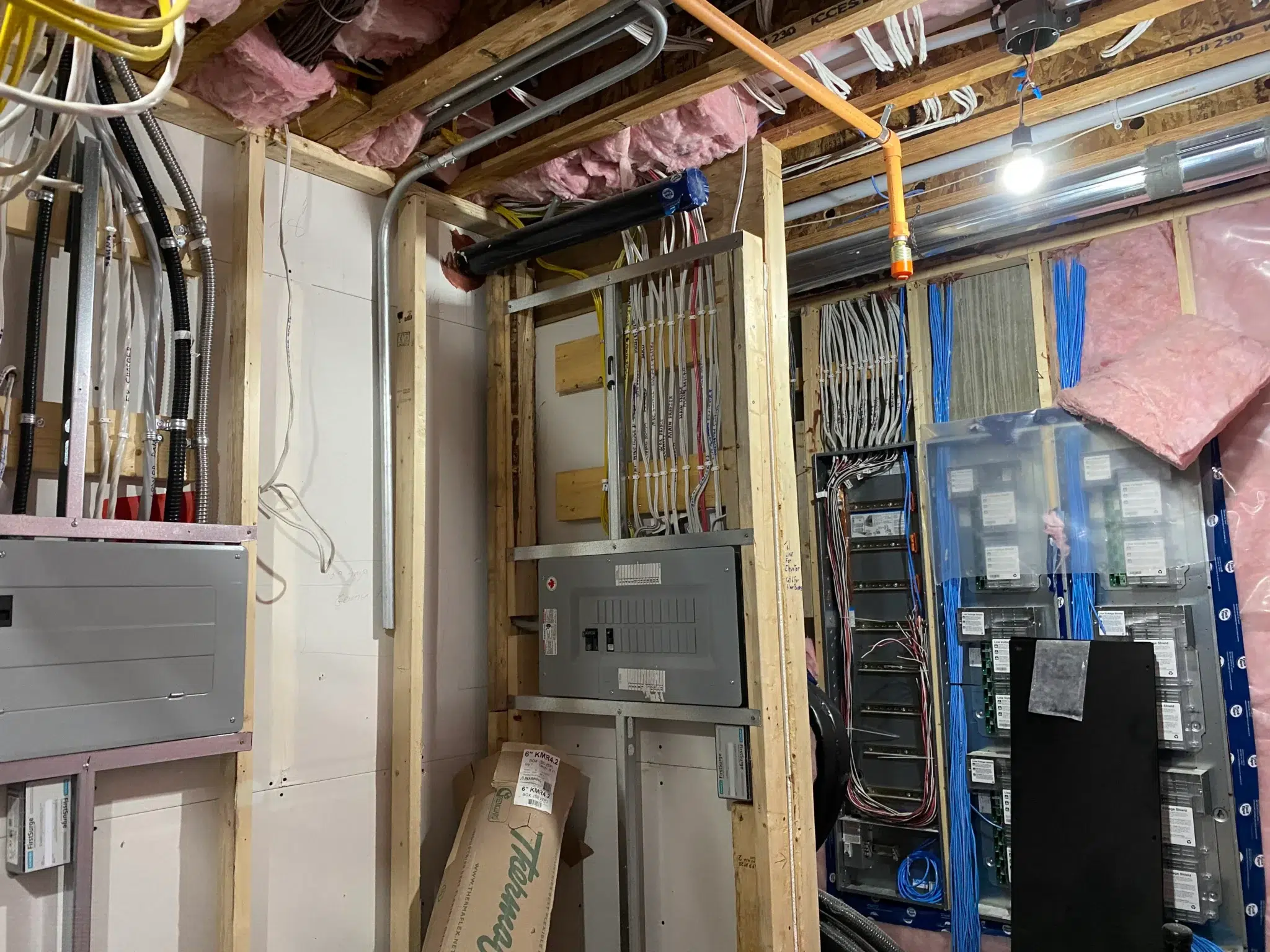
In some cases, a compatible load-management system can monitor electrical demand and control selected equipment to keep the home’s total load within available capacity.
For example, a home with 100-amp service may have limited capacity for EV charging when other major appliances are running. An appropriate energy-management system may temporarily reduce or pause charging when household demand rises, then resume charging when capacity becomes available.
This approach can allow certain equipment to be added without increasing the home’s service size. It may be particularly useful when EV charging can take place over several hours rather than requiring maximum charging output at all times.
Load management has limits, however. The system must be compatible with the equipment and suitable for the home’s electrical installation. It must also be compatible with typical usage of various high-demand appliances. It cannot resolve every capacity issue or replace a necessary service upgrade.
TCA Electric can assess whether load management is a practical option for your property. Learn more in our guide to load management systems.
Why Home Size Alone Doesn’t Determine Electricity Demand
While homes with high electricity demands tend to be larger, there is no single rule based on square footage that can determine the right electrical service size for a given house.
A home’s electrical demand depends on the number of occupants and their habits, heating and cooling systems, appliances, and anticipated future loads. For example, a large home with gas heating and cooking may have less electrical demand than a smaller home with a heat pump, electric water heating, an EV charger, and a hot tub.
This is why a professional load calculation is more useful than choosing a service size based on home size or age alone. Although 200 amps is often a practical target for modern homes, the appropriate capacity depends on the property’s actual and anticipated electrical needs.
When Should You Request a Professional Load Assessment?
Consider arranging a load assessment if you’re planning an electrical project that could increase household demand, particularly if your home has 100-amp service.
An assessment is especially useful when you’re:
- Installing a Level 2 EV charger
- Adding a heat pump, electric heating, or a large device such as a hot tub
- Replacing several gas appliances with electric
- Building a secondary suite or home addition
- Planning battery backup or other major electrical systems
- Combining several renovation or electrification projects
An assessment can also help when purchasing an older home and determining whether its electrical service can support your current usage as well as any planned upgrades.
Our team at TCA Electric evaluates existing equipment, calculates electrical demand, and considers your future plans before recommending a solution. Depending on the property, we may recommend retaining the existing service, using an approved load-management system, or upgrading your electrical service.
Frequently Asked Questions
Can I install an EV charger with 100-amp service?
The answer depends on the home’s calculated electrical demand, the charger’s requirements, and the capacity available. A compatible load-management system or adjusted charging output may make installation possible without a service upgrade, but not always.
Is 200-amp service enough for an all-electric home?
It may be, depending on the combined electrical requirements of the home’s heating, hot water, cooking, EV charging, and other equipment. A load calculation can establish whether 200 amps is sufficient or whether additional capacity should be considered.
Does replacing my electrical panel increase my service capacity?
No, not by itself. A panel replacement can improve or renew the equipment while retaining the existing service capacity. Increasing service capacity requires an assessment of the service equipment and utility connection, along with any necessary upgrades.
Is 100-amp service unsafe for a modern home?
No, 100-amp service is not automatically unsafe because of its rating. The important considerations are the condition of the electrical equipment, the suitability of the installation, and whether the service can safely accommodate the home’s electrical demand. An electrician can assess these factors and identify any required improvements.
Find the Right Electrical Capacity for Your Home
As household electricity use continues to grow, 100-amp service is becoming less practical for many modern homes. Often, 200-amp service is a better fit for increased electrical demand, while properties with extensive electrical systems may need to consider 400 amps.
TCA Electric helps homeowners throughout Vancouver and the surrounding metro area assess their electrical capacity, plan for new equipment, and determine whether a service upgrade is warranted. Contact TCA Electric to arrange a professional assessment and understand your options for meeting your home’s current and future electrical needs.


